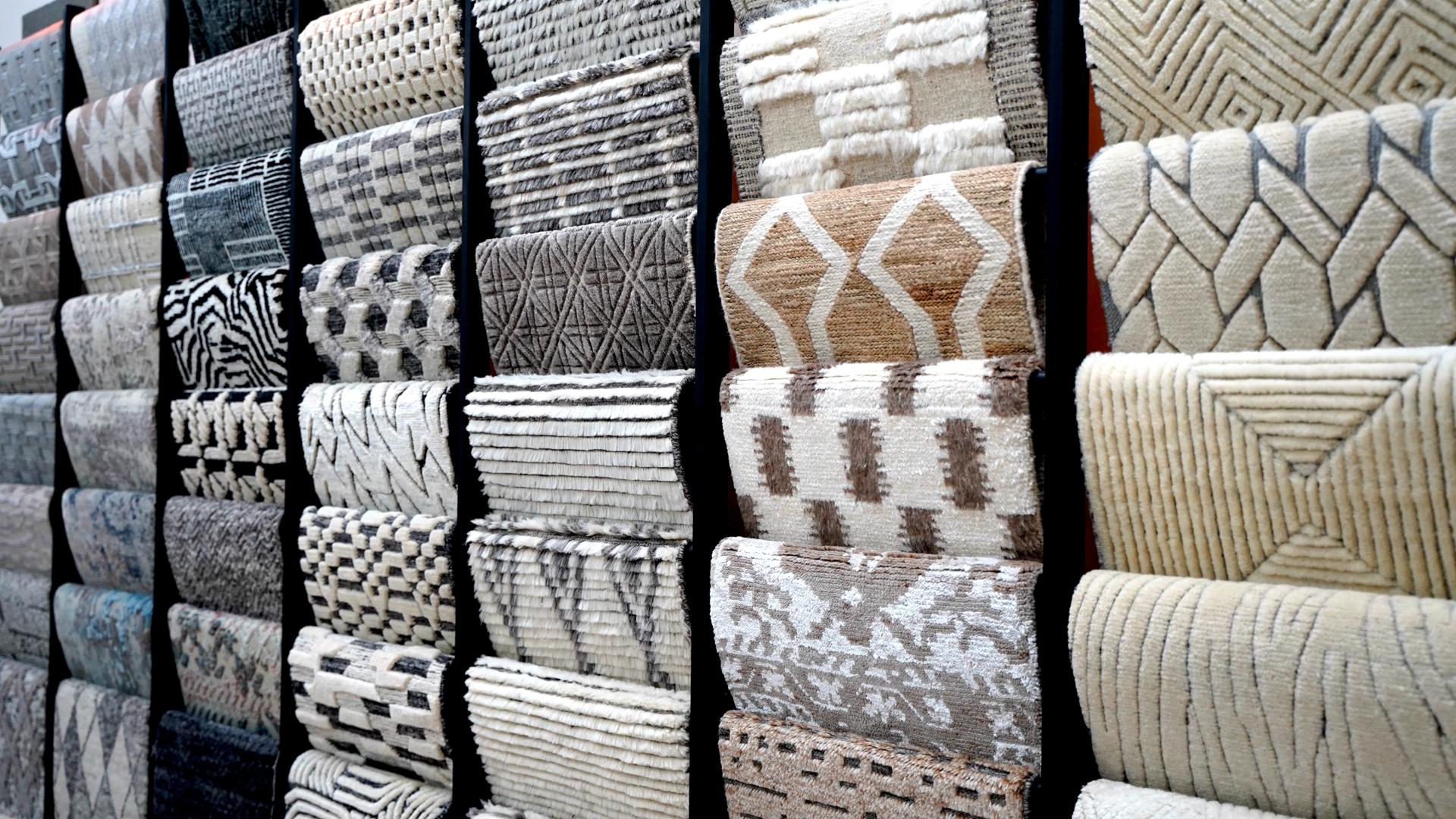
Attic stock is spare product ordered with the main hotel order, from the same dye lot, so that damaged rugs or areas of carpet can be replaced without a visible colour difference. It matters because even an accurate later dyeing of the same recipe can differ slightly from the original lot, and in a corridor or a set of identical guest rooms that difference shows.
What a dye lot is
Yarn is dyed in batches, or lots. Within one lot the colour is uniform. Between lots there is always some variation, which a good dyer keeps within an agreed tolerance, but close is not identical, and the difference shows most in large plain areas, pale shades and the low warm light of hotel interiors. Our guide to dye lot consistency on hotel orders explains how a dye house controls it. This guide is about the spares that protect against it.
Why hotels need a plan
Hotel rugs and carpets are damaged in ways a home rarely sees: red wine, burns, bleach from housekeeping products, luggage wheels, water leaks from bathrooms above. Replacing a single rug or a section of carpet is routine. The hotel then has two choices.
| Approach | Advantage | Drawback |
|---|---|---|
| Attic stock held on site | Exact lot match, immediate replacement | Space, storage conditions, capital tied up |
| Reorder when needed | No storage | Different lot, minimum order quantities, production lead time, possible design changes over the years |
Most projects use both: attic stock for the items that are most likely to be damaged and hardest to match, and reorders for refurbishment.
What to hold
Attic stock quantities are a project decision, usually set by the operator's brand standard and the owner's budget. The useful questions are which items, rather than a single percentage across everything.
- Broadloom in corridors and public areas, where a cut in repair must match the surrounding carpet.
- Guest room rugs in the room types with the highest count, where one replacement among identical rooms is most visible.
- Rugs in food and beverage areas, where spills are frequent.
- Bespoke shapes and sizes made to templates, which are slow to remake.
- Pale and plain designs, where lot differences are easiest to see.
Patterned, multicoloured designs hide small lot differences better than plain ones, which is worth considering in heavy use areas.
Order spares with the main order
The cleanest way to get attic stock is to include it in the main production run. It is then woven from the same yarn lot, finished the same way and inspected with the rest.
There is also a commercial reason. Manufacturers set minimum orders for custom work. At Eastern Mills the minimum is 200 square metres per design per colour, and orders below that may be accepted with a price adjustment. A replacement order for a handful of rugs a few years later will usually fall well below that minimum. Spares added to the main order do not.
For broadloom, ask the manufacturer to weave the attic stock as part of the same run and to label the rolls with the lot number.
Phased openings and refurbishment cycles
Large hotels often open in phases or refurbish floor by floor. Tell the manufacturer at enquiry stage the total quantity across all phases, the expected timing of each and which items must match across phases, because phases ordered separately without warning each become a new lot. The dye lot guide sets out the two usual ways of planning yarn for phases.
Recording what you bought
Attic stock only works if the hotel can find and identify it years later. For each item, record:
| Record | Why |
|---|---|
| Type reference from the specification | Links the spare to the drawings and room schedule |
| Dye lot number | Confirms the match |
| Quantity and sizes | Shows what remains |
| Approved strike-off reference | The standard for any future reorder |
| Manufacturer's design and quality codes | Allows an accurate reorder |
| Storage location | So it is found when needed |
Ask the manufacturer to mark the lot number and type reference on each spare at the factory.
Storing attic stock
Rugs should be clean, dry and rolled with the pile facing inwards, wrapped in breathable material, and stored off the floor in a cool, dry, dark space. Wool must be protected from moths, so inspect stored rugs periodically and keep the store clean. Avoid sealed plastic for long periods, because trapped moisture can cause mildew. Never fold broadloom, and store rolls horizontally on racks so they do not crush.
Light is the main risk to colour in storage as well as in use. A spare kept in a bright room will not match the installed rugs when it is needed.
When a reorder is the better choice
Over time, installed rugs fade and wear, and a pristine spare from the original lot can look brighter than the rugs around it. When a large part of an area needs replacing, it is often better to replace the whole area from a new lot than to mix old and new.
When reordering, send the manufacturer the original references and a sample of the installed product if possible. Eastern Mills spins and dyes yarn in house, and a reorder starts from the approved standard of the original order, with new strike-offs typically 18 by 18 inches for approval.
How Eastern Mills approaches spares
Attic stock, phasing and labelling are planned with the main order. See our hand tufted hotel rugs, broadloom and custom rugs pages, or send the project schedule through contact.
Frequently asked questions
Can a later dye lot match the original exactly?
It can match closely, within an agreed tolerance, but rarely identically. Side by side on a floor, a difference may show.
How much attic stock should a hotel order?
It is a project decision set by the brand standard and budget. Focus on high damage, high visibility and hard to remake items.
Who stores the attic stock?
Usually the hotel, on site. Agree before delivery where it will go and who records it.
Should spares be inspected on arrival?
Yes, with the main delivery, and recorded before they go into storage.


