For hotel ESG reporting, rug and carpet supplier certifications answer two different questions. GoodWeave, Sedex and SA8000 give evidence on labour and human rights in the supply chain. RWS, GOTS and GRS give evidence on materials, through a chain of custody that only holds if every stage is certified and each shipment carries a transaction certificate. None of them provides carbon data, so emissions need a separate request.
What hotel groups are reporting on
Hotel owners and operators increasingly report on their supply chains, either because a regulation requires it or because investors, lenders and brand standards ask. Common reporting needs include:
- Modern slavery and forced labour statements, such as those required under the UK Modern Slavery Act 2015 and Australia's Modern Slavery Act 2018 for organisations within their scope.
- Sustainability reporting in the European Union under the Corporate Sustainability Reporting Directive, where the European Sustainability Reporting Standards include a standard on workers in the value chain. The scope of this regime has been under revision, so check whether and when it applies.
- Responsible sourcing targets set by the hotel group itself, for example a percentage of FF&E with recognised social or material certification.
- Scope 3 greenhouse gas reporting, which counts emissions from purchased goods.
Rugs and carpets are a small part of a hotel's spend, but they are handmade, labour intensive and often made far from the hotel, which puts them on the list of categories where due diligence is expected.
Mapping each certification to a reporting question
| Certification | Reporting question it helps answer | Evidence to collect | What it does not answer |
|---|---|---|---|
| GoodWeave | Was child, forced or bonded labour used in making these rugs | Licence status of the exporter and numbered GoodWeave labels on certified rugs | Materials, emissions, wages beyond its standard |
| Sedex, SMETA audit | What did a recent independent audit find on labour, health and safety, environment and business ethics | Access to the audit report and corrective action status on the Sedex platform | It is not a certificate. The findings must be read |
| SA8000 | Does the site run a certified social management system | Certificate, scope, validity date, certification body | Materials, product content |
| RWS | Was the wool from farms meeting animal welfare and land management requirements | Scope certificate for the supplier and a transaction certificate for the shipment | Factory labour, dyes and chemicals |
| GOTS | Is the fibre organic, and were restricted chemicals and social criteria applied in processing | Scope certificate and transaction certificate, with the product label grade | Products not made from certified organic fibre |
| GRS | Is the recycled content verified, with social, environmental and chemical criteria | Scope certificate and transaction certificate | Virgin fibre products |
Two further certificates are often listed alongside these. ISO 9001 shows a quality management system. C-TPAT is a US Customs supply chain security programme. Both are useful in procurement, but neither is a social or environmental credential. Our guide to rug certifications explains each scheme in more detail.
Site certification versus product claims
This is the distinction that most often goes wrong in a report.
A supplier holding a scope certificate for RWS, GOTS or GRS holds certification for handling certified material. That does not make every rug it ships certified. A product claim holds only when certified input was used, every company that took ownership of the material on the way was certified, and the shipment is covered by a transaction certificate.
So the report should say "x square metres of rugs supplied with RWS transaction certificates", not "our rug supplier is RWS certified, so our rugs are responsible wool".
GoodWeave works differently. It certifies rugs through licensed exporters and numbered labels, and inspects production locations, including outside weaving sites, without notice. A rug is GoodWeave certified when it carries the label.
Building an evidence file per order
A hotel project team can save months at reporting time by collecting the evidence when the order is placed.
- Copies of each certificate, checked for scope and expiry
- Sedex link to the supplier, with the date of the most recent audit
- Transaction certificates for each certified material claim, matched to invoices
- GoodWeave label numbers recorded against the packing list
- Fibre content and country of manufacture for each rug type
- The supplier's own statement on subcontracting, including which stages, if any, happen off site
Put these requirements in the purchase order. A transaction certificate requested after shipment can be difficult or impossible to obtain.
The gap: carbon and chemistry
None of the six certifications produces a product carbon footprint. If the hotel group reports Scope 3 emissions from purchased goods using supplier specific data, ask separately for what the manufacturer can provide, such as energy use at the site or a product level assessment, and be clear about the method.
Chemical content is covered partly by GOTS restrictions for organic products. Indoor air emissions from a finished rug are a separate question, covered by emissions testing and labels rather than by these certifications.
Where vertical integration helps
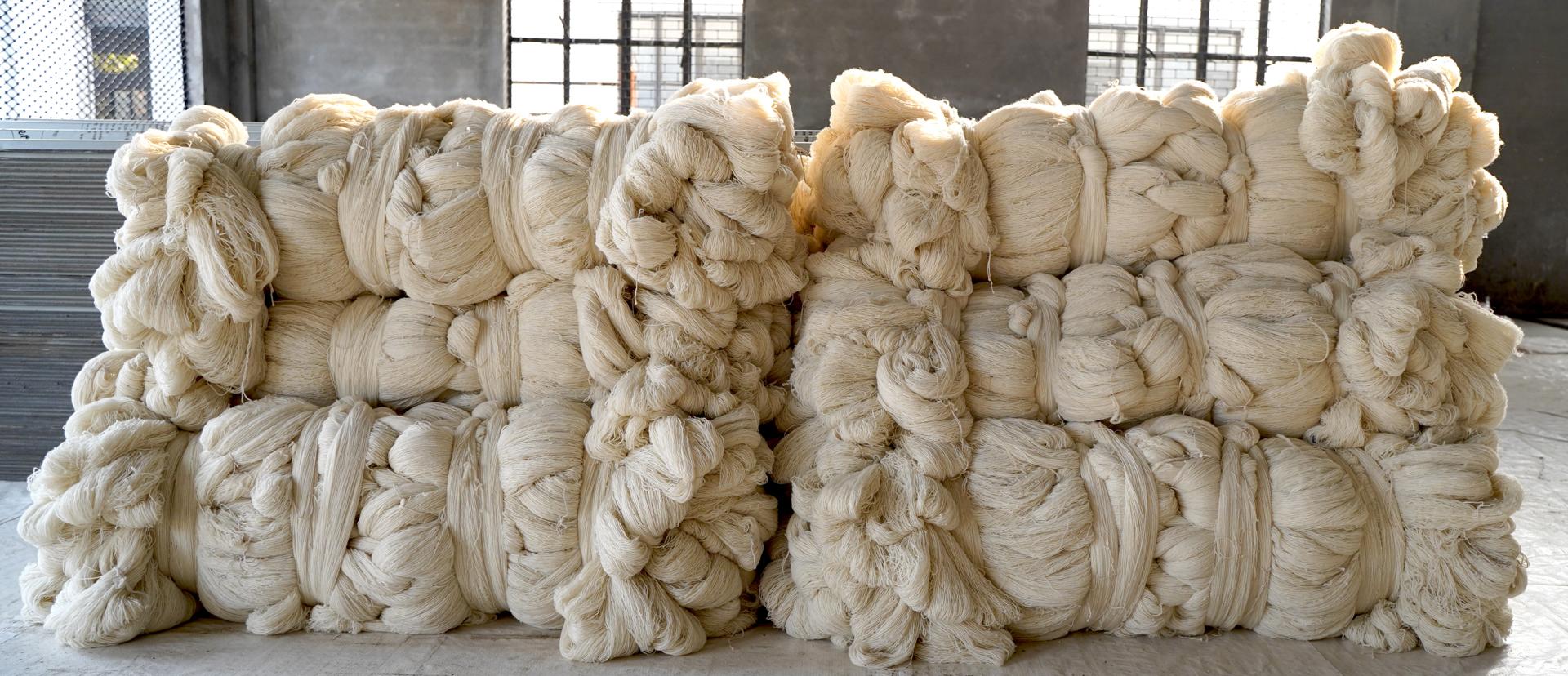
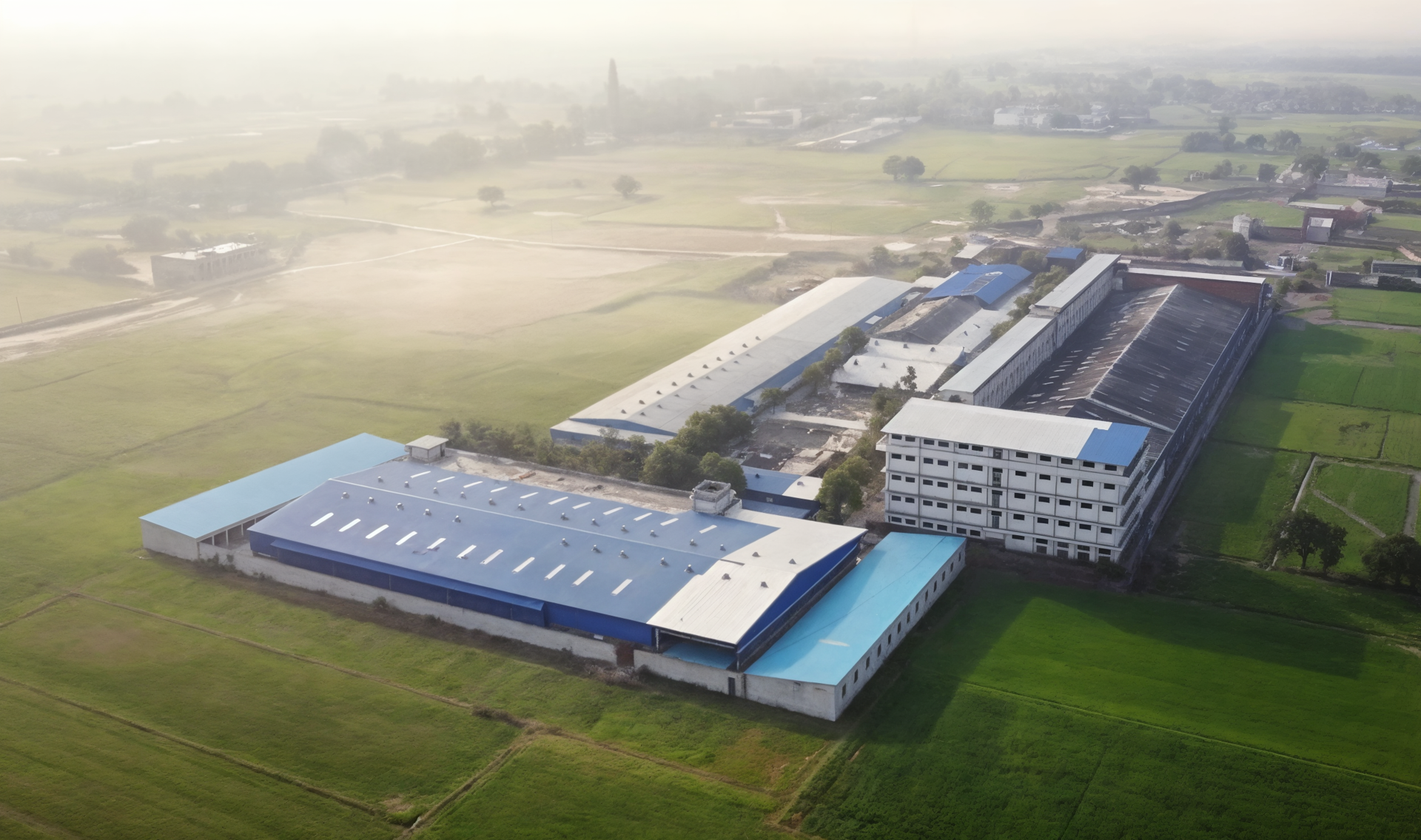
The fewer companies between fibre and finished rug, the shorter the chain of custody and the easier it is to show where the work was done. A manufacturer that spins, dyes, weaves and finishes on one site can describe its supply chain in a single answer. Our manufacturing infrastructure page shows how this works at Eastern Mills.
Eastern Mills certifications
Eastern Mills holds ISO 9001:2015, GoodWeave, Sedex, RWS, GOTS, GRS, SA8000 and C-TPAT. More than 2,000 people work at its 35 acre site in Bhadohi, which includes a 50,000 square metre main facility and a separate broadloom facility, with yarn spinning, dyeing, hand tufting, handloom weaving, hand knotting, broadloom and finishing in house. Material claims on a particular order, such as RWS wool or GRS recycled content, are confirmed per order with the relevant documents. See our capabilities page, or contact us for copies of current certificates.
Frequently asked questions
Which single certification matters most for hotel rugs?
For handmade rugs, GoodWeave addresses the labour risk the industry is best known for. Most reporting frameworks benefit from combining it with a recent social audit and material certification where a claim is made.
Is a Sedex membership the same as being audited?
No. Membership gives access to the platform. Ask for the latest SMETA audit report and its corrective actions.
Can we claim responsible wool for the whole project?
Only for the rugs covered by RWS transaction certificates. Report the certified quantity, not the supplier's status.
Do these certifications cover broadloom too?
They can, if the broadloom is made under the certified scope and the material claim is documented in the same way.