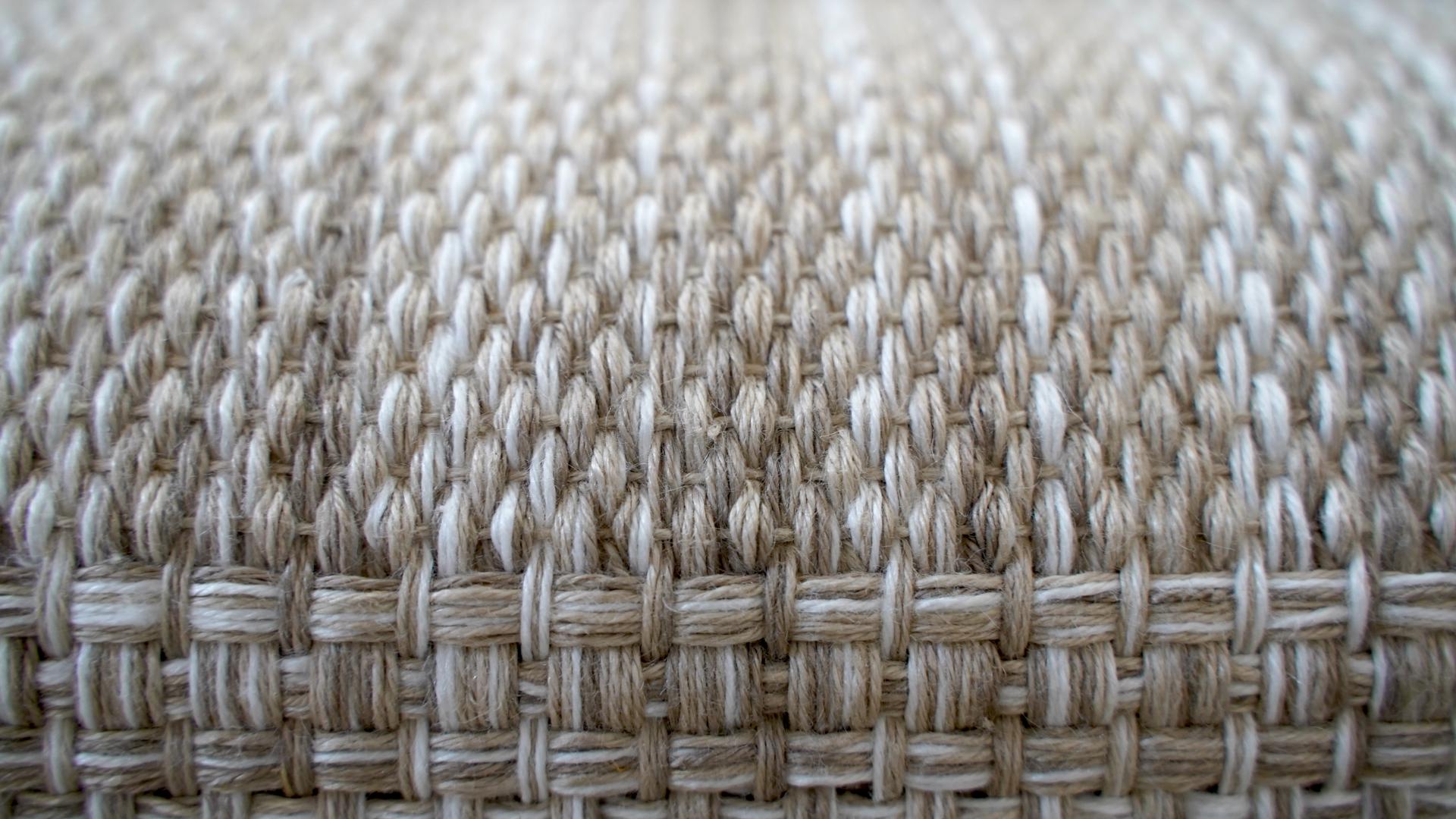
Hotel rugs and carpet last longest when housekeeping removes dry soil every day in heavy traffic areas, deals with spills straight away using little water, and leaves deep cleaning to trained contractors working to the manufacturer's guide. Most damage to wool and tufted rugs in hotels comes from grit, overwetting and the wrong chemicals, not from ordinary foot traffic.
Know what is on the floor
Housekeeping teams should have a simple schedule listing each area's product: construction, fibre, pile type and backing. Care differs between them.
| Product | Typical location | Main care points |
|---|---|---|
| Hand tufted wool rug, cut pile | Guest rooms, suites | Regular vacuuming, minimal water, trim sprouts, avoid soaking the backing |
| Hand knotted wool rug | Lobbies, suites | Vacuum with the pile, protect fringes, professional washing only |
| Handloom or flatweave rug | Lounges, spas | Suction only on fine weaves, keep dry, rotate |
| Wool broadloom carpet | Corridors, guest rooms, function rooms | Daily vacuuming in traffic lanes, interim low moisture cleaning, periodic extraction by trained staff |
| Rugs with viscose or silk accents | Suites, low traffic areas | Keep water away, blot only, professional cleaning |
Ask the manufacturer for a care guide for each quality before opening and keep it with the housekeeping manager.
Daily and weekly routine
Remove dry soil first
Grit is abrasive. Walked into the pile, it cuts fibres and dulls colour. Vacuuming is the most important task in the schedule.
- Entrances, lobby and lift lobbies: vacuum daily, more often in wet weather
- Corridors: vacuum the central traffic lane daily, edges weekly
- Guest rooms: vacuum at every service, with a fuller vacuum at checkout
- Function rooms: vacuum after every event
Use a commercial upright vacuum with adjustable brush height on cut pile wool, or a suction only head on loop pile, fine flatweaves and fringes. A brush set too low can fuzz cut pile and snag loops.
Use entrance matting
Well sized barrier matting at each entrance traps a large share of soil before it reaches the lobby rug. Keep the mats themselves clean, or they become a source of soil.
Rotate loose rugs
Rotate rugs in guest rooms and public areas periodically so wear and light exposure even out. Rugs under windows fade faster on one side.
Dealing with spills
Act quickly, and use as little water as possible.
- Remove solids with a blunt edge, lifting rather than pushing.
- Blot liquids with a clean white cloth or paper. Do not rub, because rubbing spreads the stain and distorts the pile.
- Work from the outside of the spot towards the centre.
- If a cleaning solution is needed, use a wool safe, neutral detergent diluted in cool water. Test it first on a hidden area.
- Rinse by blotting with clean water, then blot dry.
- Dry quickly with airflow. Keep the area free of traffic until dry.
What to avoid
- Bleach, ammonia and strongly alkaline cleaners, which damage wool and can strip colour
- Hot water on wool, which can set stains and felt the fibre
- Soaking tufted rugs, because excess water can reach the backing and cause shrinkage, browning or loss of adhesion
- Household carpet shampoos not intended for wool
- Wet cleaning of viscose, which marks and flattens readily
For anything large, unknown or persistent, call the professional cleaner rather than experimenting.
Small repairs housekeeping can do
- Sprouting. A tuft or loop standing above the pile should be trimmed level with sharp scissors. Never pull it, as pulling can unravel neighbouring tufts.
- Shedding. New wool cut pile rugs shed loose fibre for the first weeks. This is normal and reduces with regular vacuuming.
- Furniture marks. Move furniture slightly at intervals. Indentations can usually be eased by gently grooming the pile and allowing it to recover.
- Curling edges. Check underlay and placement. Report persistent curling rather than taping the edge.
- Loose binding or fringe. Report it promptly. Small repairs done early stop larger damage.
Periodic deep cleaning
Wool broadloom in hotels is usually maintained with a combination of interim low moisture cleaning in traffic lanes and periodic hot water extraction by trained operators, using products intended for wool. Loose hand knotted and hand tufted rugs are best cleaned by specialists who can control moisture and drying. Frequency depends on traffic and should be set from experience in each area rather than a fixed calendar.
When briefing a contractor, give them the product schedule, the manufacturer's care guide and any known treatments on the product.
A housekeeping maintenance checklist
- Product schedule by area kept on file
- Care guide for each quality available to supervisors
- Entrance matting in place and maintained
- Vacuuming frequency set by area
- Vacuum heads and brush heights correct for each pile type
- Spill kit with white cloths and wool safe detergent on each floor
- Sprouts trimmed, never pulled
- Loose rugs rotated on a set routine
- Damage logged and reported, with location and photograph
- Deep cleaning by trained operators to the manufacturer's guide
- Attic stock stored rolled, dry and away from light
How construction choices help housekeeping
Maintenance starts at specification. Dense, low wool pile resists crushing and releases soil easily. Patterned and mid tone grounds hide soiling better than plain pale grounds. Where a design calls for pale colours in a high traffic area, the cleaning plan needs to reflect that. Our hand tufted hotel rugs and contract carpets pages explain how construction is matched to area, and the hospitality page shows how we work with operators.
Frequently asked questions
How often should hotel rugs be professionally cleaned?
It depends on traffic. Lobby rugs need it far more often than suite rugs. Watch for visible soiling in traffic lanes and set the interval by area.
Can steam cleaners be used on wool rugs?
Domestic steam cleaners put a lot of heat and moisture into the pile and can damage wool and tufted backings. Use trained operators with equipment and products suited to wool.
Why is a new rug shedding?
Loose fibres left from cutting the pile work their way out during the first weeks of use. Regular vacuuming removes them and shedding reduces.
What should we do with a red wine spill?
Blot immediately, then blot with cool water and a wool safe detergent, working from the edges inwards. Do not use salt, bleach or hot water. If a mark remains, call the cleaner.
For a care guide for a specific Eastern Mills quality, contact us.


